Why an overlay accessibility widget doesn't cut it
A lot of nonprofit sites — and plenty of commercial ones — bolt on a third-party accessibility overlay widget as a shortcut to compliance. Several of the most popular ones have actually been the subject of real ADA lawsuits themselves, because they don't fix the underlying HTML; they paper over it with a JavaScript layer that frequently interferes with the exact screen readers it claims to support.
We build accessibility in at the markup level instead: semantic HTML, real alt text on every image, keyboard-navigable menus and forms, and color contrast checked against WCAG guidelines page by page during the build — not audited and patched afterward with a plugin.
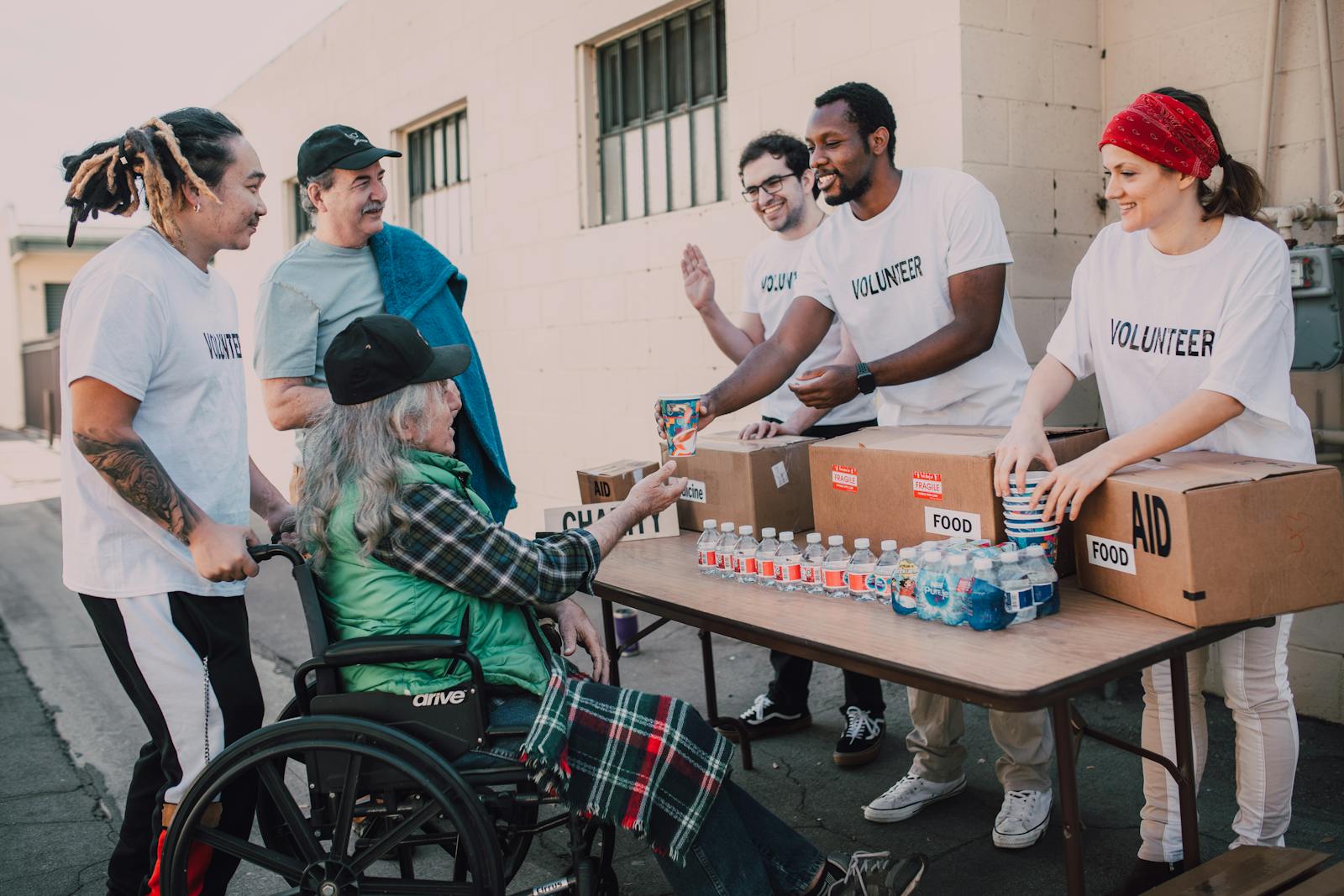
What we build for a giving-focused site
A donation flow supporting one-time and recurring gifts through Stripe, with suggested amounts and a clear line on where the money goes. A volunteer sign-up system that replaces a shared spreadsheet with real application tracking, and impact reporting rendered as indexable, shareable web pages instead of a static PDF almost nobody downloads.
SEO gets built around your cause and service area, so someone searching "[cause] near me" or "how to volunteer [city]" finds your organization before a larger, better-funded one that happens to outrank you on a generic keyword. Donor retention follows a similar logic to membership retention in other categories: a donor who gives once and never hears how the gift was used rarely gives again. We build simple, recurring touchpoints into the site itself — an impact page that updates with real numbers, and a receipt flow that can link back to the specific program a gift supported — so the relationship doesn't end at the transaction.